
Do DNA Results Differ by Ancestry? Inside Geneus DNA's Ethnicity-Specific Imputation
Do DNA results differ by ancestry? Most genes like ALDH2, LCT, CYP1A2 and COMT point the same direction worldwide, but allele frequencies and imputation accuracy differ — so Geneus DNA uses a customized Illumina GSA v4 chip and a multi-ethnic reference database for results that are accurate for Thais.

By
GeneusDNA
|
Nov 22, 2026
|
71

Southeast Asian Genetics: The Complex Roots Behind Us
Southeast Asian and Thai populations are highly genetically diverse from multiple migration waves. Explore where our roots come from — and the limits of ancestry testing.

By
Dr. Kaet (Lukkaet Laoprapaipan)
|
Nov 22, 2026
|
641

The Genetic Risk of Type 2 Diabetes: What TCF7L2 and Your Polygenic Risk Score Really Tell You
Genes like TCF7L2 and polygenic risk scores raise the odds of type 2 diabetes only modestly. Diet, activity and body weight still play a far more decisive role.

By
Dr. Arnond Kitnitchee
|
Nov 22, 2026
|
571
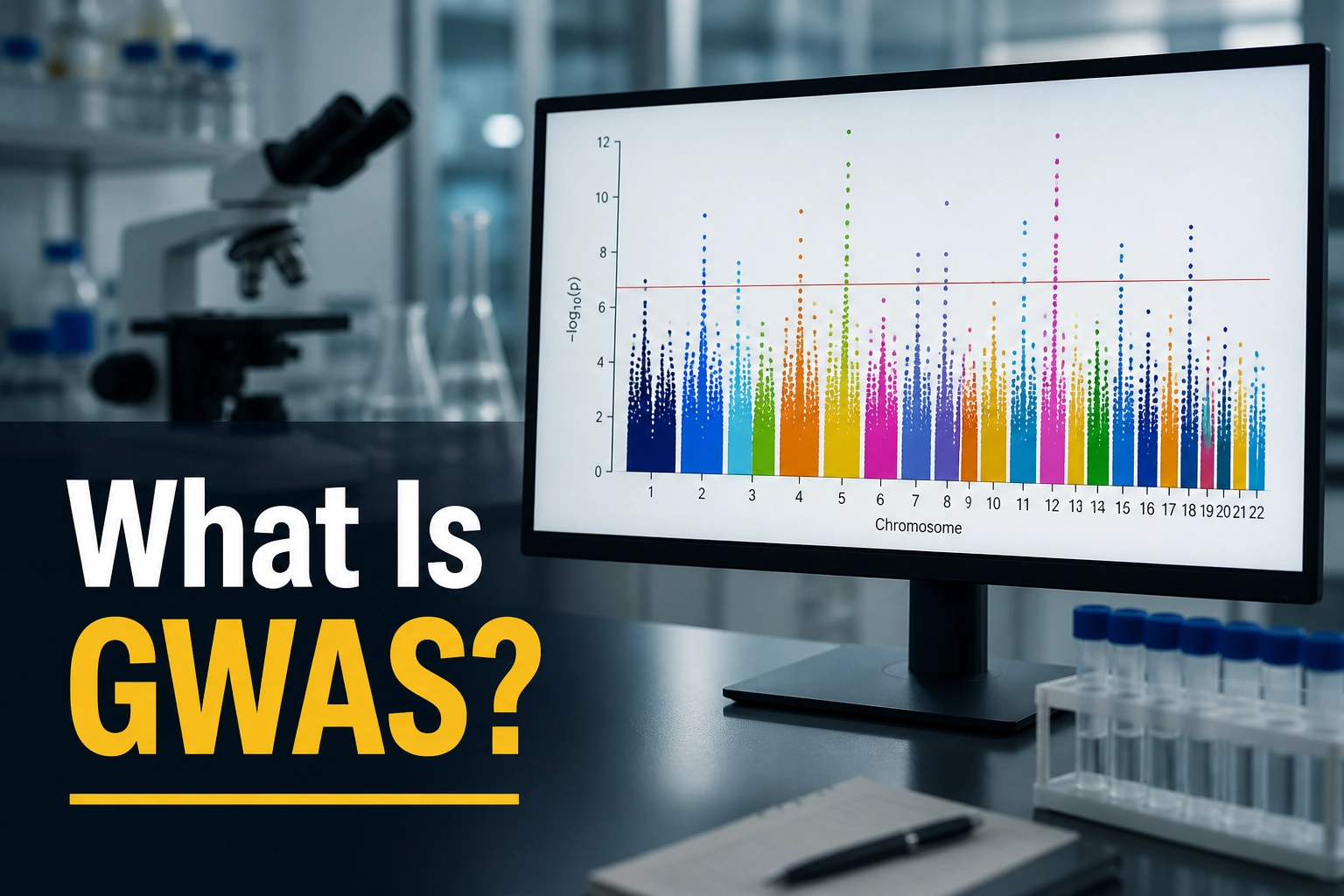
GWAS Explained: How Scientists Find Gene-Trait Associations
GWAS is how scientists scan the genomes of hundreds of thousands of people to find genetic spots linked to disease or traits. This article explains the method, Manhattan plots, and the key limitations to keep in mind.
By
Dr. Kaet (Lukkaet Laoprapaipan)
|
Nov 22, 2026
|
813

Polygenic Risk Scores (PRS) Explained: When Thousands of SNPs Add Up to One Risk Estimate
A Polygenic Risk Score (PRS) combines thousands of SNPs into one risk estimate. Learn how it works, what it is useful for, and its key limitations — population bias (which Geneus DNA counters with a multi-ethnic database) and the fact that it is probabilistic, not diagnostic.
By
Dr. Kaet (Lukkaet Laoprapaipan)
|
Nov 22, 2026
|
888


 Singapore (SGD)
 Thailand (THB)
 African Country (USD)
 Australia (AUD)
 Canada (USD)
 Egypt (USD)
 European Country (EUR)
 Hong Kong (HKD)
 India (USD)
 Indonesia (IDR)
 Iran (USD)
 Iraq (USD)
 Japan (JPY)
 Myanmar (USD)
 Oman (USD)
 Philippines (USD)
 Qatar (USD)
 Saudi Arabia (USD)
 Switzerland (CHF)
 Taiwan (USD)
 Turkey (USD)
 UAE (USD)
 United Kingdom (GBP)
 International (USD)